
Introduction
Few vehicle problems are as inconvenient as turning the ignition key or pressing the start button and hearing nothing happen. You may be getting ready for work, leaving a grocery store, or trying to head home after a long day when your car suddenly refuses to start. A dead battery is one possible explanation, but the next question is often more important: Should you call for a jump start or arrange to have the vehicle towed? The answer depends on what caused the battery to lose power and whether the rest of the vehicle is functioning properly. A simple electrical drain from leaving the headlights on may only require a jump start. However, a failing alternator, damaged battery cables, electrical system problems, or another mechanical issue may prevent the vehicle from running reliably even after its battery receives a boost. Choosing the right roadside assistance service can save time, prevent unnecessary expenses, and help protect your vehicle from further damage. Drivers in Fresno, California, should understand the difference between a temporary battery problem and a condition that requires professional inspection or towing. This guide explains when a dead car battery needs a jump start instead of a tow, how to recognise warning signs, what to check before requesting assistance, and when driving after a jump start may be unsafe.
Understanding the Difference Between a Jump Start and a Tow
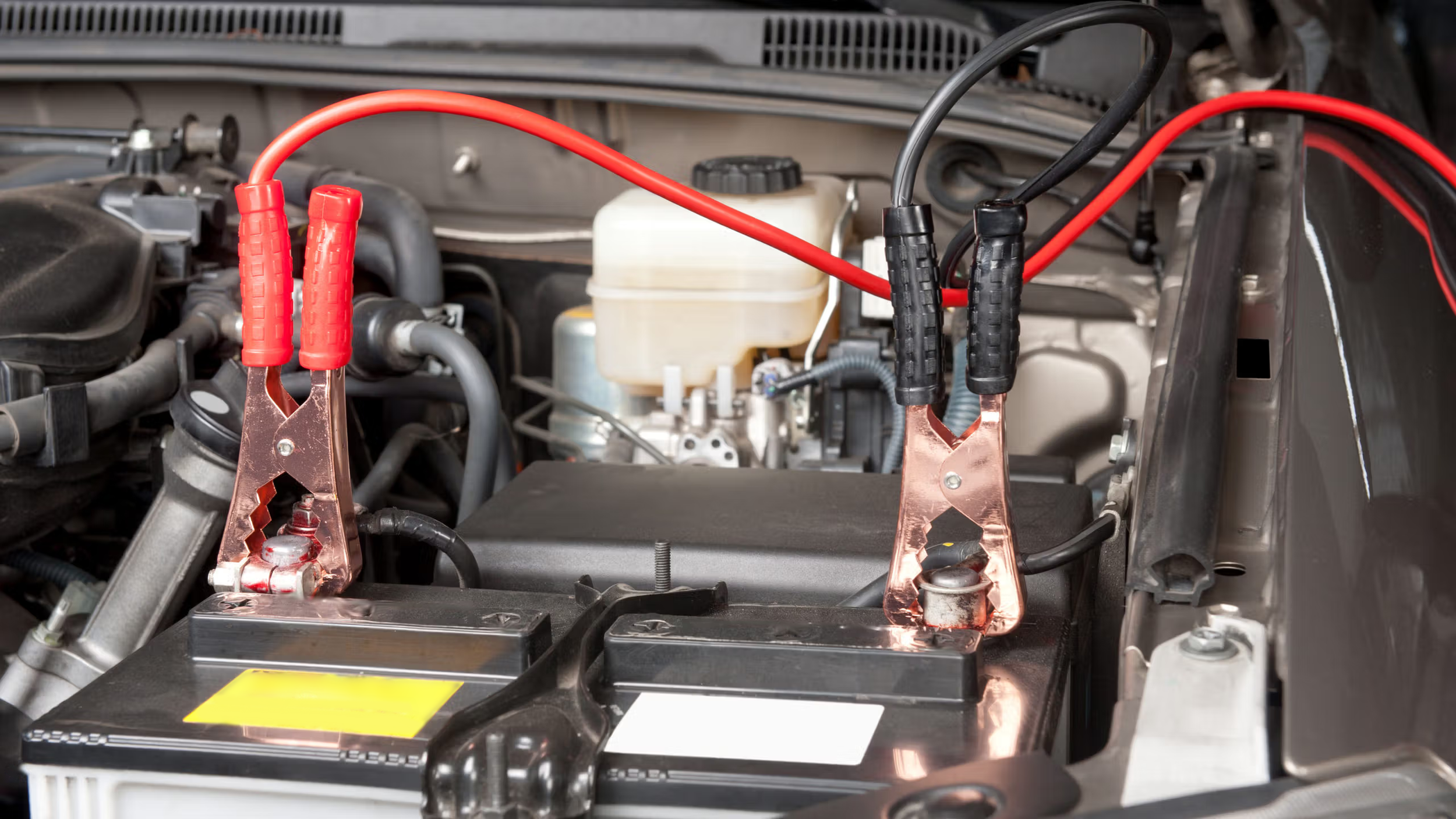
A jump start and a tow solve two different vehicle problems. A jump start uses an external power source, such as another vehicle's battery or a suitable portable jump starter, to provide enough electrical power for a vehicle with a discharged battery to start. A tow involves transporting a vehicle using a tow truck when it cannot be driven safely or reliably to a repair facility or another destination. The main difference is that a jump start addresses a lack of battery power, while towing moves a vehicle that may have a more serious electrical or mechanical problem.
When a Jump Start Is Usually Enough
A jump start may be appropriate when:
The headlights or interior lights were accidentally left on.
The vehicle's battery was drained after sitting unused.
The battery is relatively new and has no obvious signs of damage.
The engine cranks slowly but does not start because of low battery power.
The vehicle starts normally after receiving an external power boost.
There are no warning signs of a serious charging system or mechanical problem.
For example, imagine parking your car outside a Fresno shopping center in the evening and accidentally leaving the headlights switched on. When you return, the dashboard lights are dim and the engine will not turn over. If the battery is otherwise healthy, a jump start may restore enough power to get the vehicle running.
When a Tow May Be Necessary
A tow may be the better option if:
The battery is visibly swollen, cracked, leaking, or damaged.
The vehicle repeatedly dies after receiving a jump start.
The alternator is not charging the battery properly.
There is smoke, a burning smell, or unusual electrical activity.
The engine starts but immediately stalls.
The vehicle has another mechanical problem that prevents safe driving.
Battery cables or electrical connections are damaged.
The vehicle cannot be safely jump-started.
A jump start should never be treated as a guaranteed repair. It may get the engine running temporarily without addressing the underlying problem.
Common Signs Your Car Battery Needs a Jump Start
A discharged battery often gives drivers warning signs before it becomes completely unresponsive. Recognising these symptoms can help you determine whether roadside battery assistance may be enough.
1. The Engine Cranks Slowly
One of the most recognisable symptoms of a weak battery is slow engine cranking. When you turn the key or press the start button, the engine may make a sluggish turning sound instead of starting normally. This happens because the starter motor is not receiving sufficient electrical power to turn the engine at the required speed. A jump start may help if the battery is simply discharged and the starter and charging systems are functioning properly.
2. You Hear Clicking When Starting the Vehicle
A clicking sound when attempting to start the engine can indicate insufficient battery power. The sound may be a rapid series of clicks or a single click, depending on the vehicle and the underlying problem. Low battery voltage is one possible cause, but a faulty starter motor, poor battery connection, or damaged electrical component can produce similar symptoms. If a jump start does not resolve the problem, further diagnosis is necessary.
3. Dashboard Lights Are Dim or Flickering
Your dashboard and interior lights depend on the vehicle's electrical system. If the lights appear unusually dim, flicker, or become weaker when you attempt to start the engine, the battery may not have enough charge. However, flickering electrical components can also indicate loose connections or charging system problems.
4. The Vehicle Has No Electrical Response
Sometimes a battery becomes so deeply discharged that the vehicle appears completely unresponsive.
You may notice:
No dashboard illumination.
No interior lights.
No response from the power locks.
No sound when turning the ignition.
No response when pressing the start button.
A jump start may restore power if the battery is simply discharged. If the vehicle remains unresponsive, damaged wiring, poor connections, or a failed electrical component may be responsible.
5. The Vehicle Starts After a Jump but Otherwise Appears Normal
This is often a positive sign, although it does not prove that the battery is healthy. If the engine starts normally after receiving a jump and continues running without unusual noises or warning lights, the original problem may have been a temporary loss of battery charge. The battery and charging system should still be tested to determine why the discharge happened.
Situations Where a Dead Battery Needs More Than a Jump Start
Not every no-start situation is caused by a battery that simply needs additional power. Some problems require professional diagnosis or vehicle transportation.
1. A Failing Alternator
The alternator supplies electrical power to the vehicle while the engine runs and helps recharge the battery. If the alternator stops working correctly, the battery may gradually lose its charge even after a successful jump start.
Common warning signs include:
A battery warning light on the dashboard.
Headlights becoming dim while driving.
Electrical accessories behaving unpredictably.
A vehicle that starts after a jump but dies again.
Unusual whining or grinding noises near the engine.
A failed alternator can leave you stranded again shortly after receiving a jump start. If the charging system is not functioning and the vehicle cannot maintain electrical power, towing it to a repair facility is generally safer than attempting to drive a significant distance.
2. The Battery Is Physically Damaged
A battery that is cracked, leaking, swollen, or visibly damaged should not be jump-started. Damaged batteries can present electrical and chemical hazards. Attempting to connect jumper cables to an unsafe battery may cause sparks, acid exposure, or other dangerous situations. Do not touch leaking battery fluid or attempt to repair a damaged battery yourself. Keep away from the vehicle's battery area and request professional assistance.
3. The Battery Keeps Losing Its Charge
If your car repeatedly needs a jump start, something may be draining the battery or preventing it from charging correctly.
Possible causes include:
An ageing battery that can no longer hold a charge.
A malfunctioning alternator.
Corroded battery terminals.
Loose electrical connections.
An electrical component that continues drawing power when the vehicle is off.
A faulty charging system.
Repeatedly jump-starting the vehicle without identifying the cause can leave you stranded again. A mechanic can perform a battery load test, charging system inspection, and parasitic draw test to identify the problem.
4. The Engine Starts but Immediately Shuts Off
If the engine starts after a jump but stalls shortly afterwards, the problem may extend beyond the battery. Possible causes include fuel delivery problems, ignition faults, charging system failure, or engine management issues. A jump start cannot repair these conditions. If the vehicle repeatedly stalls or cannot maintain a stable idle, avoid driving it in traffic. Arrange professional assistance and consider towing it to a qualified repair shop.
5. There Are Signs of Electrical Damage
Burning smells, smoke, melted insulation, exposed wiring, or unusual electrical noises should never be ignored. These symptoms may indicate a wiring fault, short circuit, or damaged electrical component. Do not continue trying to start the vehicle. Turn it off if safe to do so, move away from any visible smoke or fire hazard, and contact appropriate emergency services if necessary. Once the immediate danger has been addressed, arrange professional vehicle recovery.
How to Decide Between a Jump Start and a Tow
When your vehicle will not start, a few basic observations can help you determine the appropriate type of roadside assistance.
Step 1: Check the Dashboard and Interior Lights
Turn on the headlights or interior lights if it is safe to do so. If the lights are unusually dim or completely unresponsive, a discharged battery may be responsible. If the lights appear normal but the engine does not crank, the problem could involve the starter, ignition system, or another electrical component.
Step 2: Listen to What Happens When You Start the Engine
Pay attention to the sounds.
Rapid clicking may indicate low battery voltage.
Slow cranking may suggest a weak battery.
A single click may involve the starter or electrical connections.
Normal cranking without the engine starting may indicate a fuel, ignition, or other engine-related problem.
These sounds provide clues, but they do not establish a definite diagnosis.
Step 3: Look for Battery Damage
If you can safely see the battery, check for visible cracks, leaks, swelling, or damaged cables. Do not touch leaking battery material or attempt to jump-start a visibly damaged battery.
Step 4: Consider What Happened Before the Vehicle Stopped Working
Think about the events leading up to the problem. Did you leave the headlights on? Has the vehicle been parked for several weeks? Did the battery warning light appear while driving? Did the engine stall unexpectedly? The circumstances can help distinguish a temporary battery discharge from a charging system or mechanical issue.
Step 5: Decide Whether the Vehicle Can Run Safely
Even if the engine starts after a jump, consider whether it can continue running reliably. If the battery warning light remains illuminated, electrical systems behave strangely, or the engine repeatedly stalls, do not assume the vehicle is safe to drive. Request roadside assistance and discuss whether towing is the better option.
What Happens During a Professional Jump Start?
A professional jump-start service assists when a vehicle has insufficient battery power to start. The technician first assesses the situation to determine whether the battery appears safe to jump-start.
Checking the Battery and Connections
Before connecting an external power source, the technician may inspect the battery terminals, cables, and visible battery condition. Loose connections and corrosion can interfere with electrical flow. A damaged battery requires a different response from a healthy battery that has simply lost its charge.
Connecting an Appropriate Power Source
A jump start requires the correct equipment and connection procedure for the specific vehicle. Modern vehicles can have sensitive electrical systems, and some manufacturers provide designated jump-start terminals rather than recommending direct connections at the battery. The technician should follow the vehicle manufacturer's instructions and use suitable equipment.
Attempting to Start the Engine
Once the equipment is connected correctly, the technician attempts to start the vehicle. If the engine starts, the technician can observe whether it continues running and whether obvious warning signs remain. A successful start does not necessarily mean the battery is fully charged or that the charging system is healthy.
Recommending Further Assistance
If the vehicle does not start, or if there are signs of a more serious problem, another service may be necessary. Depending on the situation, this may include battery replacement, mechanical diagnosis, or towing to a repair facility. For a closer look at the process, drivers can also read about what happens during a professional jump-start service.
Can You Drive Your Car After a Jump Start?
Sometimes, but it depends on why the battery became discharged. If the battery lost power because the headlights were left on and the charging system is functioning correctly, the vehicle may operate normally after a proper jump start.
However, if the battery or alternator is failing, driving may only provide temporary relief before the vehicle loses electrical power again.
When Driving May Be Reasonable
Driving may be reasonable when:
The battery was accidentally discharged.
The vehicle starts normally after the jump.
There are no battery or charging warning lights.
The engine runs smoothly.
Electrical accessories operate normally.
There are no unusual smells, sounds, or visible damage.
Even in this situation, having the battery tested is a sensible precaution.
When You Should Avoid Driving
Do not continue driving if:
The battery warning light remains on.
The engine repeatedly stalls.
Headlights or dashboard lights flicker.
The steering or braking systems behave unusually.
You notice smoke or a burning smell.
The vehicle cannot maintain electrical power.
A vehicle with a failing charging system may lose power while moving, creating a safety risk.
Why Do Car Batteries Die in Fresno?
Drivers in Fresno experience seasonal temperature changes that can affect vehicle batteries. Although people often associate dead batteries with freezing weather, high temperatures can also contribute to battery deterioration.
High Summer Temperatures
Fresno summers can be particularly hot. High temperatures can accelerate chemical reactions inside a battery and contribute to internal deterioration and electrolyte loss in batteries that are not sealed. A battery exposed to repeated heat cycles may lose its ability to hold a charge over time.
Short Trips and Infrequent Driving
Frequent short trips may not give the alternator enough time to replace the energy used during starting. Vehicles that sit unused for extended periods can also experience gradual battery discharge.
Leaving Electrical Accessories On
Headlights, interior lights, chargers, and other electrical accessories can drain a battery if they remain active while the engine is off. Some vehicles automatically switch off certain accessories, but drivers should not assume every electrical component shuts down immediately.
Aging Batteries
Most conventional car batteries have a limited service life. Their lifespan depends on temperature, driving habits, maintenance, and the battery's quality. If your vehicle's battery is several years old and frequently struggles to start the engine, have it tested before it fails completely.
How to Prevent Another Dead Battery
A few maintenance habits can reduce the likelihood of unexpected battery problems.
Schedule Regular Battery Testing
Ask a qualified technician to inspect the battery and charging system during routine maintenance. Testing can identify reduced battery capacity before the vehicle becomes difficult to start.
Keep Battery Terminals Clean
Corrosion around battery terminals can interfere with electrical connections. Have terminals inspected and cleaned using appropriate safety procedures. Avoid handling battery acid or attempting to clean a damaged battery yourself.
Drive Your Vehicle Regularly
Vehicles that remain parked for long periods may gradually lose battery charge. Regular driving can help maintain battery charge when the charging system is functioning correctly, although it cannot restore a battery that has reached the end of its useful life.
Check Electrical Accessories
Before leaving your vehicle, make sure headlights, interior lights, and other accessories are switched off when appropriate.
Replace an Ageing Battery Before It Fails
If battery testing indicates that the battery can no longer maintain adequate capacity, replacement may prevent repeated no-start situations. Do not wait for several roadside emergencies before investigating a battery that has already shown signs of failure. For additional prevention advice, see how Fresno drivers can reduce the risk of unexpected breakdowns.
When Should Fresno Drivers Call for a Tow Truck?
A jump start is useful for a discharged battery, but it is not the right solution for every vehicle that refuses to start. If the vehicle has a damaged battery, suspected alternator failure, repeated stalling, serious electrical problems, or another condition that makes driving unsafe, towing is often the better choice. Professional towing also helps when a vehicle cannot be started safely at its current location or needs to reach a repair facility. D&G Towing is a locally owned, owner-operated towing and roadside assistance company serving Fresno and surrounding communities. Its services include 24/7 emergency towing, roadside assistance, jump starts, flatbed towing, vehicle recovery, and other transportation services. If you're unsure which service is appropriate, you can review whether your car needs a tow or roadside repair in Fresno. Drivers can also learn what to expect from emergency towing in Fresno. Choosing between a jump start and a tow should depend on the actual condition of the vehicle, not simply on whether the engine can be made to start temporarily.
Conclusion
A dead battery does not automatically mean your vehicle needs to be towed. If the battery is simply discharged because of forgotten headlights, infrequent driving, or another temporary issue, a professional jump start may be enough to get the engine running again. However, repeated battery failures, alternator problems, damaged battery components, electrical warning signs, and engine stalling can indicate a more serious issue. In these situations, towing the vehicle to a repair facility is often the safer choice. The key is understanding the difference between a temporary loss of battery power and a problem that affects the vehicle's ability to operate reliably. Pay attention to warning signs, avoid jump-starting damaged batteries, and seek professional help when the cause is unclear. For drivers in Fresno, knowing when to request a jump start and when to arrange towing can help prevent unnecessary delays and reduce the risk of becoming stranded again. A proper assessment is always better than relying on a temporary fix without understanding what caused the problem.
Frequently Asked Questions
1. How do I know if my car needs a jump start or a tow?
If your vehicle has a discharged battery but no signs of damage or other mechanical problems, a jump start may be sufficient. If it repeatedly dies, has a failing alternator, shows electrical warning signs, or cannot run safely, towing is generally the better option.
2. Can a completely dead car battery be jump-started?
A deeply discharged battery may sometimes accept a jump start, but success depends on its condition. A battery that is damaged, internally failed, or unable to hold a charge may require replacement rather than another jump start.
3. Why does my car die again after getting a jump start?
A vehicle that dies again after a jump may have a failing alternator, an aging battery, poor electrical connections, or an electrical drain. A battery and charging system test can help identify the cause.
4. How long should I let my car run after a jump start?
There is no universal running time that guarantees a discharged battery will be fully recharged. The result depends on battery condition, alternator performance, temperature, and how deeply the battery was discharged. A proper battery charger and diagnostic test may be necessary.
5. Can a bad alternator cause a dead battery?
Yes. A faulty alternator may fail to supply sufficient electrical power while the engine runs. As a result, the battery gradually loses charge and may eventually become unable to start the vehicle.
6. Is it safe to jump-start a battery that is leaking or swollen?
No. A leaking, cracked, or swollen battery may present serious chemical and electrical hazards. Do not attempt to jump-start it. Keep away from the damaged battery and contact a qualified roadside assistance professional.
7. Why does my car click but not start?
Clicking can indicate insufficient battery power, corroded terminals, loose battery connections, or a faulty starter motor. Rapid clicking is commonly associated with low voltage, but a proper inspection is needed to identify the exact problem.
8. Can I drive my car if the battery warning light stays on after a jump?
It is generally not advisable to continue driving with the battery warning light illuminated. The charging system may not be maintaining the battery's charge, which can eventually cause the engine or electrical systems to stop functioning. Arrange professional assistance and consider towing.
9. How often should I replace my car battery?
Battery life varies depending on the battery type, climate, driving habits, and maintenance. Rather than relying only on age, have the battery tested periodically, especially if starting becomes slower or electrical problems appear.
10. Can roadside assistance jump-start a car that will not start?
Yes. Roadside assistance providers may offer jump-start services for vehicles with discharged batteries. If the battery is damaged or the vehicle has another mechanical or electrical problem, the technician may recommend towing instead.
