
Introduction
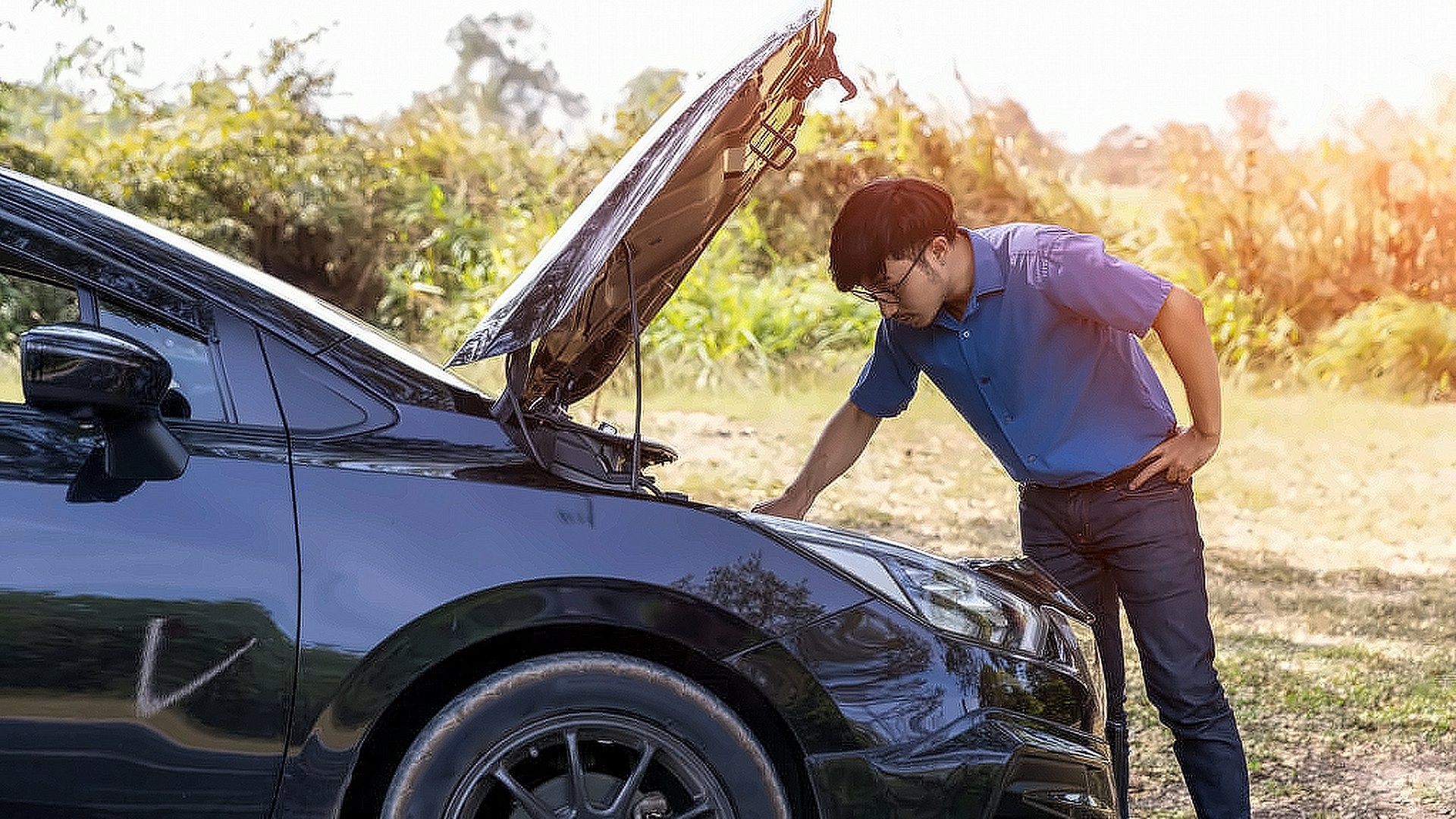
You turn the key in the ignition or press the start button, expecting your car to come to life. Instead, you hear a clicking sound, notice dim dashboard lights, or get absolutely no response. Perhaps the engine starts briefly but shuts off, or the vehicle suddenly stops running while you are driving. A car that will not start can turn an ordinary trip into a stressful situation. The first question most drivers ask is whether they need a jump start or a tow truck. Choosing the wrong option can waste time, and attempting to restart a vehicle with a serious mechanical or electrical problem may cause further damage. The answer depends on what caused the breakdown. A weak or discharged battery may only require a jump start, while a failed alternator, damaged starter, fuel system problem, or engine malfunction may require professional inspection and towing. For drivers in Fresno, California, understanding the difference can make roadside emergencies easier to handle. Weather conditions, heavy traffic, long commutes, and unexpected vehicle problems can leave motorists stranded in parking lots, residential neighborhoods, or along busy roads. Knowing what symptoms to look for, when it is safe to attempt a jump start, and when to call for emergency towing can help you make a better decision. This guide explains the common reasons cars fail to start, how to identify battery-related problems, when towing is necessary, and what steps to take while waiting for roadside assistance.
Why Does a Car Break Down and Refuse to Start?
A vehicle depends on several systems working together to start and operate properly. The battery supplies electrical power, the starter turns the engine, the fuel system delivers fuel, and the ignition system helps the engine begin combustion. If one of these systems fails, the vehicle may refuse to start. Some problems are relatively simple, while others require professional diagnosis and mechanical repairs.
Dead or Weak Battery
A weak or discharged battery is one of the most common reasons a vehicle will not start. The battery supplies the electrical power needed to operate the starter motor and other essential electrical components. If it does not have enough charge, the engine may struggle to turn over or fail to start completely.
Common warning signs include:
A clicking sound when turning the ignition.
Dashboard lights that appear dim or flicker.
Headlights that are weaker than usual.
Electrical accessories that stop working properly.
No response when pressing the start button.
Leaving headlights, interior lights, or other electrical accessories switched on can drain a battery. Batteries also lose their ability to hold a charge as they age. Extreme temperatures, corrosion, and charging system problems can contribute to battery failure. If the battery is the only issue and the vehicle has no other warning signs, a jump start may be sufficient. Drivers can learn more about warning signs that a car battery is dying and when professional help may be needed.
Faulty Alternator
The alternator recharges the battery while the engine is running and supplies electricity to the vehicle's electrical systems. If the alternator fails, the battery may gradually lose its charge even while the vehicle is being driven.
Signs of alternator trouble can include:
A battery warning light on the dashboard.
Flickering headlights.
Electrical accessories behaving unpredictably.
Unusual whining or grinding noises.
A battery that repeatedly becomes discharged.
A jump start may temporarily get the engine running, but it will not repair a faulty alternator. If the alternator is not charging properly, the vehicle may stall again once the remaining battery power is depleted. In this situation, arranging professional inspection and towing is generally safer than continuing to drive.
Starter Motor Problems
The starter motor is responsible for turning the engine during startup. When it fails, the engine may not crank even if the battery has sufficient power. Possible symptoms include a single loud click, repeated clicking, or complete silence when attempting to start the vehicle. Loose electrical connections, damaged wiring, or a faulty starter solenoid can produce similar symptoms. A jump start will not normally solve a defective starter motor. If the battery is healthy and the starter is not functioning, the vehicle may need mechanical repair and towing.
Fuel System Problems
A car may crank normally but fail to start because the engine is not receiving the fuel it needs.
Possible causes include:
An empty fuel tank.
A failing fuel pump.
A clogged fuel filter.
Damaged fuel lines.
Fuel injector problems.
Electrical issues affecting fuel delivery.
A faulty fuel pump may prevent the engine from receiving enough fuel to operate. If the vehicle runs out of gas, fuel delivery roadside assistance may solve the immediate problem. However, repeated starting attempts without resolving a fuel system issue are unlikely to help.
Ignition System or Electrical Failure
The ignition system helps create the spark needed for combustion in gasoline-powered engines. Faulty spark plugs, ignition coils, wiring, sensors, or related components can prevent the engine from starting. Modern vehicles also depend on electronic control modules and security systems. A malfunctioning sensor, immobilizer, or electrical connection may prevent the engine from operating. These problems generally require diagnosis rather than a simple jump start.
Jump Start or Tow Truck: Which One Does Your Car Need?
The right roadside solution depends on the symptoms and the underlying problem. A jump start is intended to provide temporary electrical power to a vehicle with a discharged battery. Towing is necessary when the vehicle cannot operate safely or when a mechanical or electrical problem prevents it from being driven.
When a Jump Start Is the Right Choice
A jump start may be appropriate when:
The battery has been drained by lights or accessories.
The engine does not crank because of insufficient battery power.
Dashboard lights are dim.
The battery has not been showing signs of repeated failure.
There are no obvious signs of major mechanical damage.
The vehicle's battery and electrical connections appear safe.
For example, imagine leaving your headlights on overnight in your Fresno driveway. The following morning, the dashboard lights come on weakly, but the engine will not turn over. If the battery is otherwise in good condition, a jump start may restore enough power to start the vehicle. However, a jump start should be considered a temporary measure. If the battery repeatedly loses its charge, the charging system and battery should be tested. You can also read about when to call a professional for jump-start services instead of attempting them yourself.
When You Need a Tow Truck
A tow truck is generally the better option when the vehicle has a problem that cannot be safely resolved at the roadside.
Situations that may require towing include:
Engine failure.
Transmission problems.
Severe overheating.
Significant oil or coolant leaks.
Smoke coming from the engine compartment.
Damaged steering or suspension.
Serious accident damage.
Repeated stalling after a jump start.
A vehicle that starts but cannot be driven safely.
For example, if your engine overheats and shuts down, attempting to restart it repeatedly may worsen the damage. Similarly, if a vehicle loses power while driving and then refuses to start, the problem could involve the alternator, fuel system, or engine itself. A tow truck can transport the vehicle to a repair shop without requiring you to drive it in an unsafe condition. For additional guidance, see whether your car needs a tow or roadside repair.
How to Recognize Whether Your Car Needs a Jump Start
Drivers do not always know what is happening under the hood when a car refuses to start. However, certain symptoms can help narrow down the possible cause.
Listen to What Happens When You Start the Car
Pay attention to the sounds the vehicle makes.
Rapid clicking: This may indicate insufficient battery power or a poor electrical connection.
One loud click: This may point to a starter motor problem or an electrical issue.
Engine cranks but does not start: The problem may involve fuel delivery, ignition, sensors, or another engine management component.
No sound or electrical response: A severely discharged battery, loose connection, or electrical failure may be responsible.
These symptoms are clues, not definitive diagnoses. Different mechanical problems can produce similar sounds.
Check the Dashboard Lights
Dashboard warning lights can provide useful information. A battery warning light that appears while driving may indicate a charging system problem. An illuminated check engine light can indicate a fault that requires further diagnosis. If several electrical systems stop working or warning lights appear together, avoid assuming that the battery is the only issue.
Look for Visible Battery Problems
If it is safe to inspect the battery, look for:
Loose battery terminals.
Visible corrosion.
Damaged battery casing.
Signs of leaking fluid.
Swollen or distorted battery surfaces.
Do not attempt to jump-start a battery that is cracked, leaking, swollen, or visibly damaged. Battery-related hazards can include electrical arcing, burns, and exposure to corrosive materials. If the battery appears unsafe, contact roadside assistance.
What Should You Do When Your Car Breaks Down on the Road?
A breakdown can happen anywhere, including busy Fresno intersections, parking lots, residential streets, and highways. Your first priority should always be personal safety, not getting the engine running again.
Step 1: Move Away From Traffic if Possible
If the vehicle is still moving, try to reach a safe location away from active traffic. If possible, move onto a shoulder, parking lot, or nearby safe area. Do not attempt sudden or risky maneuvers to reach a preferred stopping location. If the car cannot move, remain aware of surrounding traffic and avoid standing in an exposed area near moving vehicles.
Step 2: Turn On Your Hazard Lights
Activate the emergency flashers to alert approaching drivers that your vehicle is disabled. If you are stopped on a roadway, visibility is especially important. Follow applicable California traffic safety requirements and use additional warning devices only when it is safe to do so.
Step 3: Assess the Situation Without Taking Risks
Look for obvious warning signs, such as:
Smoke or flames.
Unusual engine noises.
Steam coming from under the hood.
Fluid leaking beneath the vehicle.
Strong burning smells.
Visible accident damage.
If you notice smoke, flames, or a suspected fuel leak, move away from the vehicle and call 911 if there is an immediate danger. Do not open the hood if you suspect an engine fire.
Step 4: Decide Whether Roadside Assistance Is Needed
If the symptoms suggest a simple discharged battery, a professional jump start may be appropriate. If the engine is damaged, the vehicle has overheated, or the cause is unclear and the car cannot operate safely, request towing. Roadside assistance providers can help determine the appropriate service based on the information you provide.
Step 5: Share Your Exact Location
Give the roadside assistance provider your location as accurately as possible.
Useful details include:
Street name or highway number.
Nearest intersection or exit.
Nearby landmarks.
Direction of travel.
Your vehicle's make, model, and color.
Whether the vehicle is blocking traffic.
Clear location information helps the service provider find you more efficiently. Knowing what information a tow truck driver needs when you request a tow can help you prepare before making the call.
Is It Safe to Jump-Start a Car Yourself?
Jump-starting a car can be straightforward when performed correctly, but incorrect connections can cause electrical damage or personal injury. Before attempting a jump start, consult the vehicle owner's manual. Some modern vehicles have specific jump-starting terminals and procedures.
Basic Jump-Starting Precautions
For a conventional 12-volt vehicle battery, general safety precautions include:
Park both vehicles safely and switch off their engines.
Confirm that the batteries are compatible and suitable for the procedure.
Keep the vehicles from touching.
Identify the positive and negative terminals.
Connect the jumper cables in the sequence specified by the owner's manual.
Keep cables away from moving engine components.
Follow the vehicle manufacturer's instructions for starting and disconnecting the cables.
Never connect jumper cables randomly or guess which terminal is positive or negative. Some hybrid and electric vehicles have different procedures, and high-voltage components must never be handled as part of an ordinary jump start.
When You Should Avoid Jump-Starting
Do not attempt a jump start if:
The battery is cracked or leaking.
The battery is swollen or visibly damaged.
You notice smoke or burning smells.
The cables or terminals appear damaged.
You are unsure about the correct connection points.
The owner's manual prohibits the procedure.
In these circumstances, professional roadside assistance is the safer choice.
Why a Car May Still Not Start After a Jump Start
A successful jump start does not necessarily mean the underlying problem has been fixed. If the vehicle starts but refuses to restart later, there may be another issue affecting the battery or charging system.
The Battery Can No Longer Hold a Charge
An old or deteriorated battery may accept enough temporary power to start the engine but fail to retain a charge. If the battery has reached the end of its useful life, replacement may be necessary.
The Alternator May Not Be Charging Properly
If the alternator is defective, the vehicle may rely on the remaining battery charge after starting. The engine may run briefly before electrical systems begin failing again. A mechanic can test the charging system to determine whether the alternator is producing the required output.
There May Be a Parasitic Electrical Drain
A parasitic drain occurs when an electrical component continues drawing power after the vehicle has been switched off. Possible causes include faulty switches, interior lights, aftermarket accessories, or electronic modules that do not enter their normal sleep mode. A battery that repeatedly goes dead overnight may need an electrical system inspection.
The Problem May Not Be Battery-Related
A jump start cannot repair a damaged starter, faulty fuel pump, ignition problem, or engine failure. If the vehicle still refuses to start, stop making repeated attempts and arrange professional diagnosis. If the car starts but stalls again, towing may be necessary to prevent another roadside breakdown.
How Towing Helps When Your Car Cannot Be Repaired at the Roadside
Some breakdowns can be resolved through minor roadside assistance. Others require equipment, tools, and a proper repair facility. Towing provides a way to transport a disabled vehicle without relying on its ability to run.
Local Towing for Mechanical Breakdowns
Local towing is useful when a vehicle needs to be transported from a roadside location to a nearby repair shop, home, or another agreed destination. For example, a car with a failed starter motor may need towing even if the battery is fully charged. Understanding the vehicle towing process in Fresno can help drivers know what to expect after requesting assistance.
Flatbed Towing for Damaged or Disabled Vehicles
A flatbed tow truck carries the vehicle on a platform rather than allowing its wheels to roll along the road. This method may be appropriate for vehicles with significant damage, certain drivetrain problems, low ground clearance, or other transportation requirements. The correct towing method depends on the vehicle manufacturer's recommendations and the nature of the breakdown. Learn more about flatbed versus wheel-lift towing and how the methods differ.
Accident Recovery and Winch-Out Services
Not every vehicle breakdown happens on a paved road. A vehicle may become stuck in mud, dirt, a ditch, or another difficult location. Winch-out services use specialized equipment to help recover vehicles that cannot move under their own power. Accident recovery may also require specialized towing equipment when a vehicle is damaged or positioned in an unsafe location.
Common Roadside Problems That May Require Something Other Than a Jump Start
A car that will not start does not always have a battery problem. Some roadside issues require different assistance.
Running Out of Fuel
If the fuel tank is empty, the engine may crank but fail to start. Roadside fuel delivery may provide enough fuel to reach a nearby gas station, depending on the vehicle and service availability.
Flat or Damaged Tires
A flat tire generally does not prevent the engine from starting, but it can make the vehicle unsafe to drive. If the tire cannot be safely changed at the roadside or the wheel is damaged, towing may be necessary.
Vehicle Lockouts
Sometimes a driver cannot access the vehicle because the keys are locked inside or the electronic key is not functioning. A professional car lockout service may help restore access without unnecessary damage.
Overheating
An overheating vehicle should not be driven until the cause has been identified and the problem addressed. Continuing to operate an overheated engine can result in serious damage. Pull over safely, turn off the engine, and allow the vehicle to cool. Never remove a hot radiator cap because pressurized coolant can cause severe burns.
Choosing the Right Roadside Assistance in Fresno, California
Drivers in Fresno and surrounding communities may need roadside assistance at any hour. A vehicle breakdown can happen while commuting, traveling through town, visiting a business, or driving along a highway. Choosing a reliable towing and roadside assistance provider can make the situation easier to manage.
Look for 24/7 Emergency Availability
Vehicle problems do not follow business hours. A provider offering round-the-clock emergency towing and roadside assistance can be helpful when a vehicle breaks down late at night, early in the morning, or during a holiday. Always confirm availability and estimated arrival information when requesting service.
Confirm That the Provider Offers the Right Service
Not every roadside situation requires the same equipment.
Before requesting help, explain whether you need:
A battery jump start.
Emergency towing.
Flatbed towing.
Accident recovery.
A winch-out.
Flat tire assistance.
Fuel delivery.
Car lockout assistance.
Describing the problem accurately helps the provider determine what type of assistance may be required.
Ask About Pricing Before Service Begins
Towing costs can depend on several factors, including distance, vehicle type, towing method, and recovery conditions. Ask for an explanation of the expected charges before authorizing service. You can also review the factors that affect car towing costs in Fresno. Clear communication about pricing helps prevent confusion during an already stressful situation.
Choose a Provider Familiar With the Fresno Area
A locally operated towing company may be familiar with Fresno roads, nearby communities, common traffic routes, and local destinations. D&G Towing Fresno provides 24/7 emergency towing and roadside assistance for drivers in Fresno and surrounding areas. Its services include jump starts, flat tire assistance, fuel delivery, lockout assistance, local and long-distance towing, accident recovery, and winch-outs. Having access to several roadside services through one provider can be useful when the exact cause of a breakdown is not immediately clear.
How to Prevent Your Car From Breaking Down Unexpectedly
Not every roadside emergency can be prevented, but routine vehicle maintenance can reduce the likelihood of certain problems.
Check Your Battery Regularly
Have your battery tested periodically, especially if it is several years old or has shown signs of weakness. Check for corrosion and loose connections, and pay attention to slow engine cranking.
Maintain the Charging System
If the battery repeatedly loses power, have the alternator and electrical system inspected. Replacing a battery without identifying an underlying charging problem may only provide a temporary fix.
Monitor Engine Temperature
Watch the temperature gauge and respond to overheating warnings promptly. Check coolant levels according to the manufacturer's maintenance instructions, and address leaks before they become major problems.
Follow the Recommended Maintenance Schedule
Routine inspections can help identify worn belts, aging hoses, fluid leaks, and other developing problems. Follow the maintenance schedule provided in your owner's manual rather than waiting until a component fails.
Keep Emergency Supplies in Your Vehicle
A basic roadside emergency kit may include:
A flashlight.
A reflective safety vest.
A first-aid kit.
Drinking water.
A phone charger or power bank.
A warning triangle, where appropriate.
A copy of roadside assistance contact information.
These supplies do not replace professional help, but they can make an unexpected breakdown easier to manage.
Conclusion
When your car breaks down and refuses to start, the most important step is identifying whether the problem involves a discharged battery or a more serious mechanical or electrical failure. A jump start may be enough if the battery has simply lost its charge and the vehicle has no other warning signs. However, problems involving the alternator, starter motor, fuel system, engine, or transmission may require professional inspection and towing. Avoid repeatedly attempting to start a vehicle when you notice overheating, smoke, unusual engine noises, or other signs of serious damage. Move to a safe location, activate your hazard lights, and request the appropriate roadside assistance. For Fresno drivers, knowing the difference between a jump start and emergency towing can save valuable time and help prevent unnecessary vehicle damage. The best response to a breakdown is not always the quickest attempt to get the engine running. It is choosing the right assistance for the problem and making sure you and your vehicle remain safe.
Frequently Asked Questions
1. Should I call a tow truck or get a jump start if my car won't start?
If your battery is discharged and there are no signs of mechanical damage, a jump start may solve the problem. If the vehicle has engine trouble, overheating, serious electrical issues, or repeatedly stalls, towing is generally the safer option.
2. How do I know if my car battery is dead or the starter is bad?
A dead battery may cause dim dashboard lights, weak headlights, or rapid clicking when starting the vehicle. A faulty starter may produce a single click or prevent the engine from cranking even when the battery is charged. Testing is the best way to distinguish between the two.
3. Can a car start with a bad alternator after a jump start?
Yes. A jump start may temporarily provide enough power to start the engine even if the alternator is not working correctly. However, the battery may not recharge while driving, and the vehicle could stall again. Professional inspection and towing may be necessary.
4. How long should I wait before trying to start my car after a jump start?
Follow the vehicle manufacturer's instructions. If the engine starts, the charging system should be checked if the battery was unexpectedly discharged. Do not assume that letting the engine run will fully restore a damaged or deteriorated battery.
5. Why does my car click but not start?
Clicking can indicate a weak battery, poor battery connection, or faulty starter motor. Rapid clicking often points to insufficient electrical power, while a single click can indicate a starter-related problem. A proper inspection is needed to confirm the cause.
6. Can I drive my car after getting a jump start?
You may be able to drive if the problem was simply a discharged battery and the vehicle is operating normally. However, if the alternator is failing, warning lights remain illuminated, or the engine behaves unusually, driving may be unsafe. Have the charging system inspected before relying on the vehicle.
7. What should I do if my car breaks down on a Fresno highway?
Move to a safe location away from traffic if possible, activate your hazard lights, and contact roadside assistance. Avoid standing near moving traffic or attempting repairs in an unsafe area. If there is an immediate danger, call 911.
8. Can roadside assistance jump-start my car at home?
Yes. Many roadside assistance providers offer battery jump-start services at homes, workplaces, parking lots, and other accessible locations. Availability depends on the provider and service area.
9. When should I stop trying to start my car?
Stop attempting to start the vehicle if you notice smoke, burning smells, unusual engine noises, severe overheating, visible fluid leaks, or repeated unsuccessful starting attempts. Continued attempts may worsen certain problems. Request professional assistance instead.
10. Can a tow truck take my car to a repair shop if it won't start?
Yes. A towing service can transport a non-running vehicle to a repair shop, dealership, home, or another agreed destination. The appropriate towing method depends on the vehicle's condition, drivetrain, and manufacturer's towing recommendations.
