Step-by-Step Guide to Coordinating Vehicle Recovery After a Flood or Storm
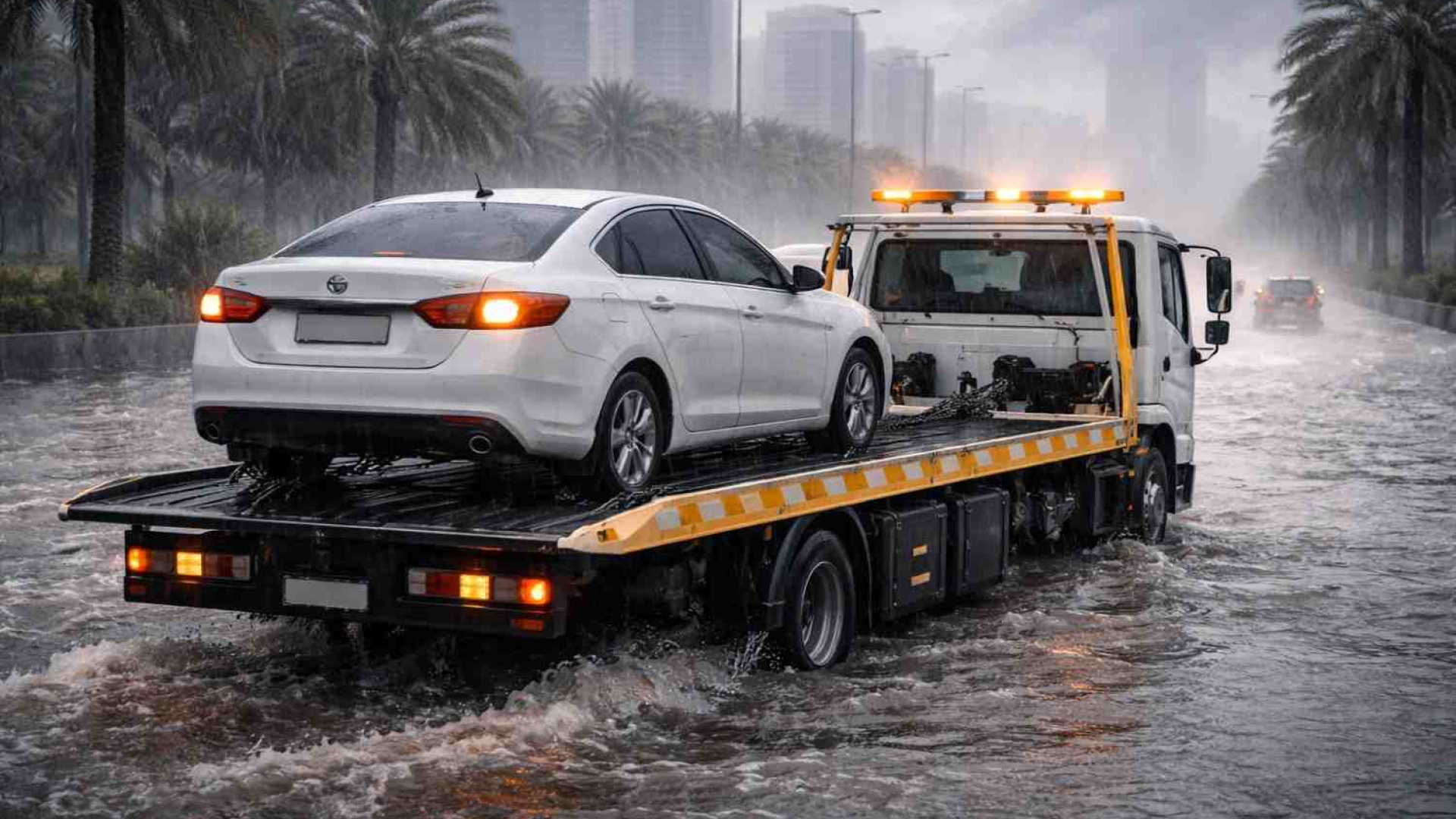
Floods, severe storms, and extreme weather can leave vehicles stranded, damaged, or stuck in difficult locations. Whether a vehicle has become trapped in standing water, slid off the roadway during a storm, or is inaccessible due to weather-related conditions, knowing how to coordinate vehicle recovery safely is essential.
Vehicle recovery after a flood or storm often requires professional equipment, careful planning, and prompt action. Attempting to recover a vehicle without the proper experience can create additional safety risks and potentially cause further damage.
As discussed in the company's growing collection of educational resources available through the D&G Towing Fresno Blog, understanding the correct recovery process can help drivers make safer decisions during weather emergencies.
This guide explains the steps drivers should take after a weather-related incident, when vehicle recovery services may be necessary, and how professional towing and recovery assistance can help.
Understanding Vehicle Recovery After Severe Weather
Vehicle recovery is different from standard towing.
While towing generally involves transporting a vehicle from one location to another, vehicle recovery focuses on safely retrieving vehicles that are:
Stuck in mud or debris
Trapped in flood-affected areas
Off the roadway
In difficult-to-access locations
Immobilized due to storm damage
Following severe weather, specialized vehicle recovery services may be needed before a vehicle can be safely transported.
Step 1: Prioritize Personal Safety
The first and most important step after any flood or storm incident is ensuring personal safety.
If your vehicle becomes stranded:
Move to a safe location if possible.
Avoid standing floodwater.
Stay away from downed power lines.
Follow instructions from emergency personnel.
Do not attempt risky recovery efforts on your own.
Flood and storm conditions can create hidden hazards that may not be immediately visible.
Safety should always come before vehicle recovery.
For additional emergency preparedness guidance, many drivers find value in reading resources such as The Impact of Weather on Roadside Emergencies in Fresno.
Step 2: Assess the Situation From a Safe Distance
Once you are safe, evaluate the condition and location of the vehicle without putting yourself at risk.
Consider:
Is the vehicle partially submerged?
Is it stuck in mud, water, or debris?
Has it left the roadway?
Is access blocked by storm damage?
Are weather conditions still unsafe?
This information can help recovery professionals understand the situation before they arrive.
Step 3: Avoid Starting a Flood-Damaged Vehicle
One of the most common mistakes drivers make after flooding is attempting to restart the vehicle immediately.
If water has entered critical vehicle systems, starting the engine could potentially cause additional damage.
Instead:
Leave the vehicle off.
Avoid forcing the engine to start.
Wait until qualified professionals can assess the situation.
A professional recovery team can help transport the vehicle safely if necessary. Drivers interested in understanding emergency towing procedures can also review Emergency Towing in Fresno: What to Expect and How to Prepare.
Step 4: Document the Vehicle’s Condition
Before recovery begins, document visible damage whenever it is safe to do so.
Helpful documentation may include:
Photos of the vehicle
Images of surrounding conditions
Floodwater levels
Storm-related debris
Vehicle position
This information may be useful for recordkeeping and future assessments.
Step 5: Contact a Professional Vehicle Recovery Service
Flood and storm recovery situations often require specialized equipment and experience.
Professional recovery services can assist with:
Retrieving stuck vehicles
Recovering vehicles from difficult terrain
Removing vehicles from hazardous areas
Coordinating safe transport after recovery
Providing accurate information about the vehicle’s location and condition helps recovery operators prepare appropriately.
Working with an experienced provider such as D&G Towing Fresno can help ensure recovery efforts are handled efficiently and safely.
Common Storm-Related Recovery Situations
Vehicles Stuck in Flooded Areas
Heavy rainfall and flooding can leave vehicles trapped in water-covered locations.
Recovery professionals may be needed when:
Water levels prevent safe vehicle operation
Vehicles cannot be moved without assistance
Access routes remain obstructed
Vehicles Off the Roadway
Storm conditions can reduce traction and visibility.
As a result, vehicles may slide into:
Ditches
Soft ground
Road shoulders
Drainage areas
Vehicle recovery services help retrieve these vehicles safely.
Vehicles Trapped by Debris
Storms can leave behind:
Fallen branches
Tree limbs
Mud
Roadway debris
Recovery specialists can evaluate the safest method for removing affected vehicles.
For more information on disaster-response towing, see The Role of Towing Services in Disaster Recovery Efforts.
Step 6: Coordinate Transportation After Recovery
Once the vehicle has been recovered, transportation may still be necessary.
Depending on the circumstances, towing services may be required to move the vehicle to:
A repair facility
A storage location
A residence
Another approved destination
Professional towing services help ensure the vehicle is moved safely following recovery.
Step 7: Understand When Long Distance Towing May Be Needed
In some situations, local transport may not be sufficient.
Long distance towing may be necessary when:
Specialized repairs are needed elsewhere
Local access remains limited
The vehicle must be relocated beyond the immediate area
Professional long distance towing providers can help determine the most appropriate transportation solution.
Drivers may also find useful information in Signs You Need Long Distance Towing for Your Vehicle.
Why Professional Vehicle Recovery Matters
Weather-related vehicle incidents often involve conditions that are unpredictable and potentially dangerous.
Professional recovery services offer several advantages:
Safety
Recovery professionals are trained to manage challenging situations while minimizing risks.
Proper Equipment
Specialized recovery equipment helps retrieve vehicles from difficult locations more effectively.
Reduced Risk of Additional Damage
Attempting self-recovery may increase the likelihood of vehicle damage.
Professional recovery methods help move vehicles more carefully.
Efficient Response
Experienced recovery providers understand how to assess and manage weather-related incidents quickly.
Learn more about company experience and service capabilities on the About Us page.
How Severe Weather Can Affect Vehicles
Floods and storms can create several challenges for vehicle owners.
Potential impacts include:
Water exposure
Mud accumulation
Debris damage
Immobilization
Access limitations
Prompt recovery helps prevent vehicles from remaining in hazardous conditions longer than necessary.
Additional insights can be found in How Towing Services Assist During Natural Disasters.
Preparing for Future Weather Emergencies
While severe weather cannot always be avoided, drivers can take steps to prepare.
Monitor Weather Conditions
Pay attention to local forecasts before traveling during severe weather periods.
Avoid Flooded Roadways
Never attempt to drive through standing water when conditions appear unsafe.
Keep Emergency Contacts Available
Having contact information for a trusted local towing company can help streamline response efforts.
Act Quickly After a Storm
If a vehicle becomes stranded, arranging professional assistance promptly may help prevent additional complications.
Frequently Asked Questions
What is vehicle recovery?
Vehicle recovery involves retrieving a vehicle that is stuck, stranded, or located in a difficult-to-access area before transportation can occur.
Is vehicle recovery different from towing?
Yes. Recovery focuses on retrieving the vehicle from a challenging situation, while towing transports the vehicle after it has been recovered.
Should I start my vehicle after flood exposure?
If flooding has affected the vehicle, it is generally best to avoid attempting to start it until the situation can be properly assessed.
When is vehicle recovery needed after a storm?
Recovery may be necessary when a vehicle is stuck, stranded, off the roadway, trapped by debris, or otherwise inaccessible.
Can vehicle recovery help with vehicles stuck in mud?
Yes. Vehicle recovery services are commonly used when vehicles become stuck in mud or soft ground after severe weather.
What information should I provide when requesting recovery services?
Helpful details include the vehicle’s location, condition, accessibility, and any visible hazards nearby.
When might long distance towing be required?
Long distance towing may be needed if the vehicle must be transported beyond the local area after recovery.
Why should I use professional recovery services?
Professional recovery services help improve safety, utilize appropriate equipment, and reduce the risk of further vehicle damage.
Conclusion
Floods and storms can create challenging situations for vehicle owners, especially when vehicles become stranded, stuck, or inaccessible. Understanding how to coordinate vehicle recovery properly helps improve safety, reduce stress, and support a smoother recovery process.
By prioritizing personal safety, assessing conditions carefully, documenting the situation, and contacting professional vehicle recovery services, drivers can navigate weather-related incidents more effectively. Professional recovery and towing assistance provide the equipment and expertise needed to retrieve and transport vehicles safely when severe weather strikes.
Call to Action
If your vehicle becomes stranded, stuck, or inaccessible following a flood or storm, D&G Towing Fresno provides professional recovery and towing assistance throughout the Fresno area. Whether you need help retrieving a vehicle from a difficult location, roadside support such as jump start services, tire change service, fuel delivery services, or immediate recovery assistance, their experienced team is ready to help.
To request service or learn more, visit the contact page today.