How to Choose the Right Trailer Hitch for Your Vehicle Safely
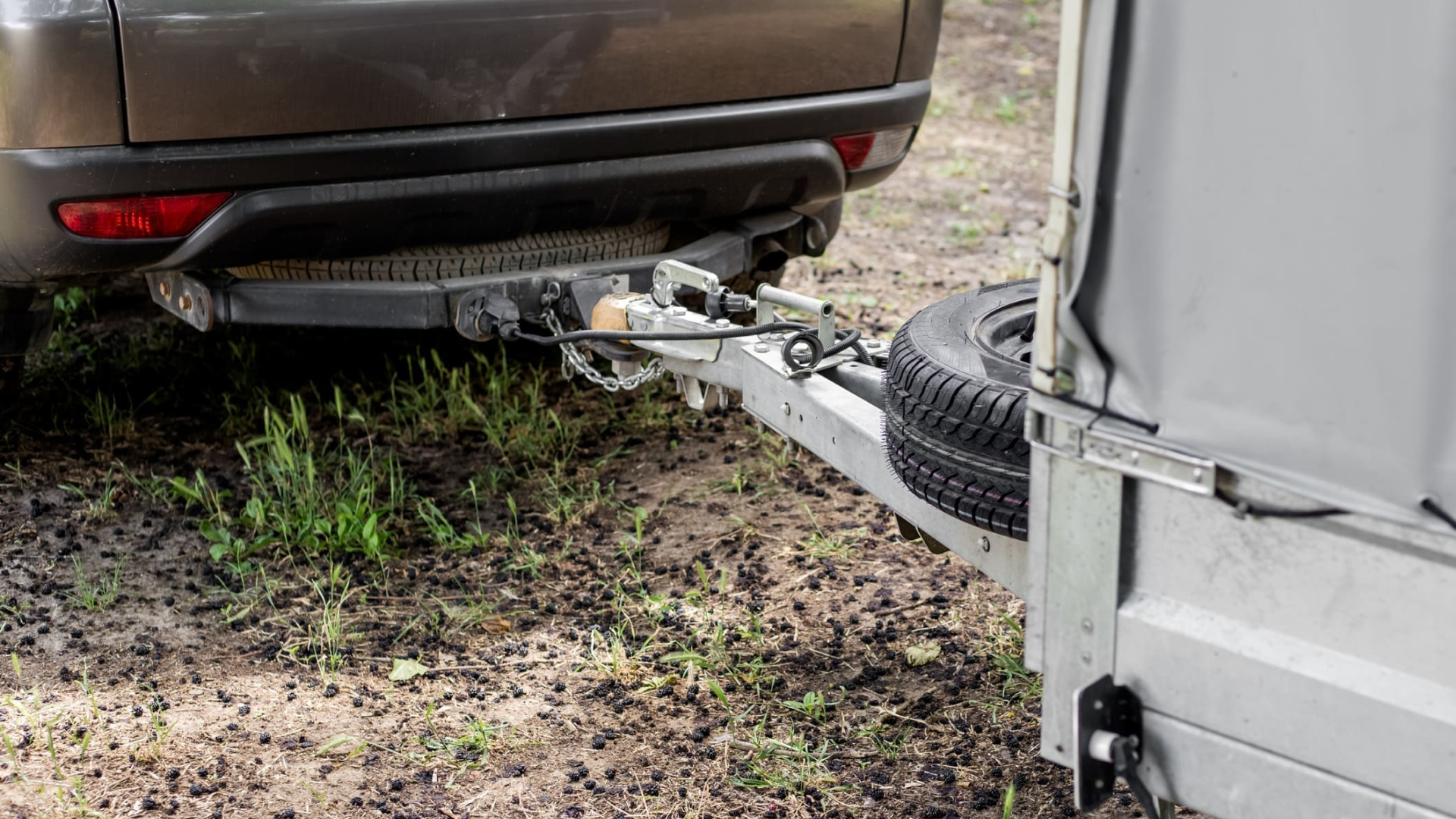
Whether you're planning to tow a utility trailer, move equipment, transport recreational gear, or haul personal belongings, choosing the right trailer hitch is one of the most important steps for safe towing. A properly matched hitch helps improve vehicle stability, supports safer handling, and reduces the risk of towing-related problems on the road.
Many drivers focus on the trailer itself but overlook the importance of selecting a hitch that is compatible with their vehicle and towing needs. Using the wrong hitch can lead to poor towing performance, unnecessary strain on the vehicle, and dangerous situations that may require roadside assistance or emergency transport.
This guide explains how trailer hitches work, what factors to consider when selecting one, and how to make safer towing decisions.
What Is a Trailer Hitch?
A trailer hitch is the connection point that links a vehicle to a trailer. It provides the structural backbone necessary for towing while helping distribute weight and maintain stability during travel.
Different vehicles require different hitch configurations based on several essential elements:
Vehicle size and frame design
Intended towing use
Trailer weight and cargo profile
Maximum vehicle towing capacity
Choosing the correct hitch starts with understanding your vehicle’s capabilities and towing requirements. For an in-depth breakdown of how vehicle weight affects your setup, read our guide on understanding vehicle weight classes for proper towing.
Why Choosing the Right Hitch Matters
The correct trailer hitch helps ensure:
Safer towing performance and improved vehicle control
Better weight distribution across axles
Reduced stress on critical vehicle components
More stable, predictable trailer handling
Conversely, an improperly matched hitch can create immediate roadway challenges, including severe trailer sway, poor braking performance, excessive strain on suspension components, and an increased risk of structural damage. Taking a careless approach is why diy towing is a bad idea; using the wrong equipment compromises everyone's safety on the highway.
Start by Understanding Your Vehicle's Towing Capacity
Before selecting a trailer hitch, it is crucial to know your vehicle's towing capacity. Towing capacity refers to the maximum amount of weight a vehicle is designed to pull safely without damaging its engine, transmission, or frame.
Several factory factors influence towing capacity, including:
Engine displacement and torque ratings
Vehicle frame and chassis design
Heavy-duty suspension and cooling systems
Braking capabilities and manufacturer specifications
Drivers should always ensure that any trailer and hitch setup remains well within the vehicle’s recommended limits. Overloading your vehicle is one of the most common reasons for car breakdowns and can permanently ruin your drivetrain.
Consider the Type of Trailer You Plan to Tow
Different trailers place entirely different structural demands on towing equipment. Common trailer variations include:
Utility and cargo trailers
Heavy equipment transports
Recreational trailers and campers
Small transport or landscape trailers
The overall size, shape, and weight of the trailer determine which hitch category is appropriate. Matching the hitch to the intended trailer use significantly improves overall road safety. To learn more about setting up your vehicle safely before hitting the highway, check out our towing setup guide.
Understanding Trailer Hitch Classes
Trailer hitches are generally categorized into distinct classes based on their weight ratings and receiver sizes. Choosing the right class ensures your hardware can handle the physical load.
Light-Duty Hitches (Class I & II)
Light-duty hitches are commonly used for compact cars, crossovers, and small SUVs. They are ideal for lighter loads, such as:
Small utility trailers
Lightweight cargo carriers
Bike racks and small recreational equipment
Medium-Duty Hitches (Class III)
Medium-duty hitches are the most common hitches found on standard trucks and full-size SUVs. They are designed for larger towing requirements, including:
Larger utility trailers and campers
Moderate equipment transport
Heavier cargo loads
Heavy-Duty Hitches (Class IV & V)
Heavy-duty hitches are intended for substantial towing demands, commercial applications, and massive trailers. These setups typically require heavy-duty trucks specifically engineered for high-capacity hauling. For a detailed look at structural limits, see our comprehensive manual on understanding the impact of vehicle load on towing safety.
Verify Vehicle Compatibility and Receiver Size
Not every hitch fits every vehicle. Before completing an installation, drivers should confirm vehicle compatibility, mounting requirements, and specific manufacturer recommendations. Using a hitch engineered specifically for your vehicle's make and model provides the most secure fitment.
Additionally, pay close attention to the hitch receiver size. Different hitch systems use different receiver openings (typically ranging from 1.25 inches to 2.5 inches or larger). Perfect compatibility between the hitch receiver, ball mount, and trailer coupler is essential. Ensuring all components lock together correctly prevents sudden mechanical failures on the road.
Weight Distribution Considerations
Weight distribution plays a major role in towing safety. When cargo is loaded poorly, it can cause severe vehicle handling issues.
Warning: Improper weight distribution directly contributes to dangerous trailer sway, steering difficulties, reduced braking effectiveness, and uneven front-to-rear vehicle handling.
When towing larger loads, proper weight management becomes even more important. Drivers must ensure cargo is balanced (typically with 60% of the weight in the front half of the trailer) and that the hitch system supports balanced towing conditions. Reviewing safe vehicle towing guidelines can help you avoid weight-related shifts.
Common Towing Mistakes to Avoid
Many highway towing emergencies result from entirely preventable mistakes. Watch out for these four common errors:
Ignoring Weight Limits: Exceeding your towing limits places unnecessary stress on the vehicle. Always stay within your gross vehicle weight rating (GVWR).
Using an Incorrect Hitch: Choosing a hitch class that is too low for your cargo reduces stability and threatens to snap under stress. For more context, see our article on how to avoid common mistakes when towing a trailer.
Skipping Equipment Inspections: Failing to inspect connections, safety chains, trailer couplers, tire pressure, and lighting systems before departing opens the door to sudden accidents.
Improper Trailer Loading: Uneven cargo placement or a tail-heavy trailer will negatively affect vehicle control.
Signs Your Towing Setup May Need Attention
Drivers should always remain highly alert to warning signs while on the road. Pull over immediately if you experience:
Excessive trailer sway or fish-tailing
Difficulty steering or front-end floating
Unusual vibrations or clunking sounds from the rear
Uneven vehicle handling or sagged rear suspension
Abnormal hitch movement visible in your mirrors
Why Professional Assistance Can Be Helpful
Because vehicle towing physics can be complicated, seeking professional guidance can save you time, money, and stress. Professional installers ensure proper hitch selection, guaranteed vehicle compatibility, and safer towing configurations.
Professional advice is especially valuable for drivers who tow infrequently or are setting up a towing system for the first time. It is an investment in your safety that protects your vehicle from long-term wear, helping you understand why regular vehicle maintenance is essential to prevent breakdowns.
How Proper Hitch Selection Helps Prevent Roadside Emergencies
A properly matched hitch contributes to safer travel and helps reduce the likelihood of towing-related breakdowns. Utilizing the correct towing equipment minimizes severe risks such as trailer detachment, handling problems, excessive vehicle strain, and structural hardware failures.
Preventive planning helps drivers avoid dangerous highway situations that could otherwise require emergency towing services or professional vehicle recovery.
Preparing for Safe Towing: A Checklist
Before every trip, drivers should complete this basic towing safety checklist:
Inspection AreaWhat to CheckHitch ConnectionsVerify that the hitch pin, coupler latch, and safety chains are tightly secured.Trailer TiresInspect all tires for proper inflation, visible damage, and adequate tread condition.Lights & SignalsConfirm that the trailer brake lights, turn signals, and running lights function correctly.Cargo SecurityDouble-check that all cargo is tied down, balanced, and unable to shift during transit.
Taking these simple steps contributes significantly to a safer, more predictable towing experience.
Frequently Asked Questions
What is the purpose of a trailer hitch?
A trailer hitch provides a secure structural connection point between a vehicle and a trailer, allowing the vehicle to pull and control loads safely.
How do I know which trailer hitch is right for my vehicle?
The correct hitch depends entirely on your vehicle's manufacturer-rated towing capacity, model compatibility, and the gross weight of the trailer you intend to tow.
Why is towing capacity important?
Towing capacity outlines how much weight a vehicle can safely pull and stop without causing mechanical failure, frame damage, or a loss of steering control.
Can using the wrong hitch create safety issues?
Yes. An improperly matched or low-class hitch can snap under stress, cause severe trailer sway, reduce braking efficiency, and compromise total vehicle control.
What should I inspect before towing a trailer?
Always inspect the hitch connections, safety chains, trailer couplers, tire pressure, lighting systems, and cargo tie-downs before driving.
What causes trailer sway?
Trailer sway is typically caused by improper cargo loading (too much weight in the rear), excessive speeds, heavy crosswinds, or an inadequate hitch setup.
Why is weight distribution important when towing?
Balanced weight distribution keeps all four vehicle tires firmly on the pavement, improving stability, steering control, and braking performance.
Can towing problems lead to roadside assistance calls?
Yes. Equipment failures, broken couplers, flat tires, and transmission overheating often require professional roadside assistance Fresno drivers rely on to get off the highway safely.
Conclusion
Choosing the right trailer hitch is a critical part of safe towing. Understanding your vehicle’s towing capacity, selecting a compatible hitch, paying attention to weight distribution, and performing regular inspections all contribute to safer and more reliable towing experiences.
By taking the time to match the hitch to your vehicle and towing needs, you can reduce risks, improve handling, and avoid many common towing-related problems. Proper preparation helps make every trip safer and more manageable.
Call to Action
If you experience towing-related issues, trailer separation, or unexpected vehicle trouble while traveling in California, D&G Towing Fresno provides professional towing, roadside assistance, and emergency vehicle recovery services. Whether you need help with a disabled truck and trailer setup, roadside support, or long-distance hauling, our experienced local team is available 24/7 to help get you back on the road safely. Contact us today for dependable support whenever you need it most.